Dog vitamins are essential for maintaining overall canine health, especially given the variety of activities and environments dogs encounter. Providing complete nutrition supports skin, coat, joints, and the immune system, making dietary supplements a real necessity in many cases. Vitamins do more than improve appearance—they boost energy and endurance, positively affecting behavior and comfort. Before starting any supplement regimen, it’s crucial to consult a veterinarian to determine your dog’s specific needs based on age, size, and health status.
In this comprehensive guide we’ll review the most important vitamins and minerals dogs need, and explain how to choose reliable products that meet those requirements. We’ll cover the differences between the needs of puppies, adult dogs, and seniors, with a focus on the risks of overdosing and how to avoid them. Practical tips for selecting high‑quality supplements are also included, along with a useful link about pets to expand your knowledge.
Does a dog need vitamins?

Dogs that eat a balanced diet may not require additional supplements, but many factors can make them necessary. Nutrient deficiencies can arise from incomplete feeding or specific health conditions.
Factors influencing a dog’s vitamin needs include age, activity level, and medical status. In some cases, adding particular vitamins to the diet is recommended to prevent deficiencies.
- An unbalanced diet can lead to vitamin shortages.
- Active dogs need extra energy and nutrients.
- Chronic illnesses may require special supplements.
Nevertheless, supplements should never replace a complete diet. Always consult a veterinarian before beginning any supplement program.
Professional advice ensures the right dosages are chosen and helps avoid the hazards of excessive intake.
Key Vitamins and Minerals for Dogs
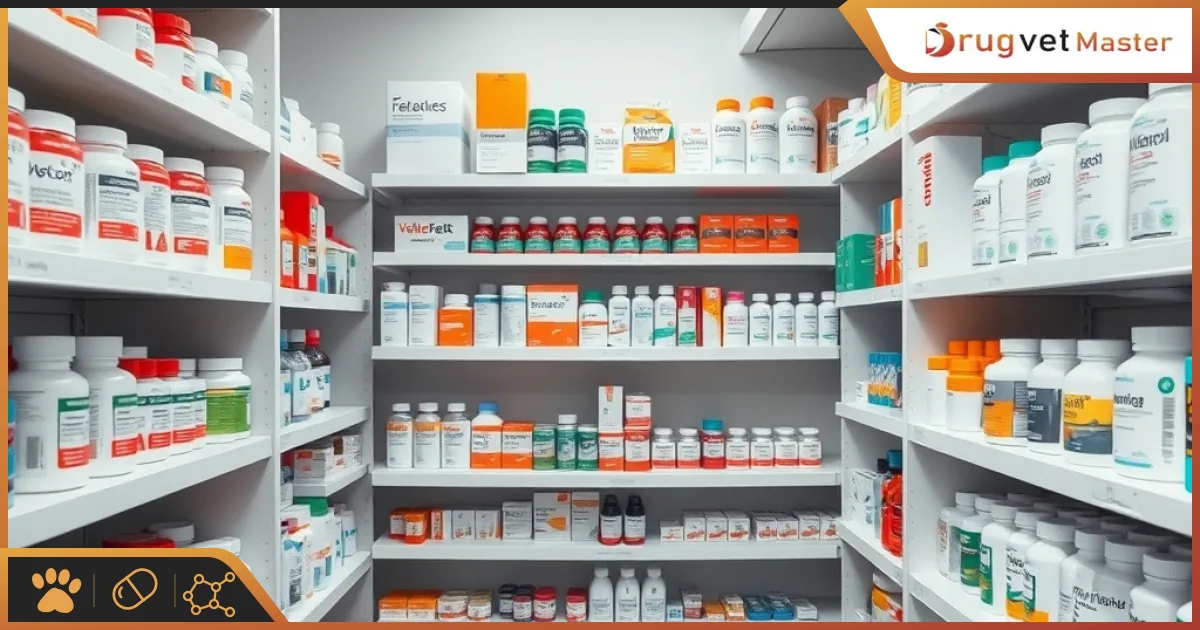
Essential canine vitamins include A, D, E, and K, as well as the B‑vitamin complex. These nutrients support multiple body functions.
Vital minerals such as calcium, phosphorus, zinc, and iron play important roles in bone and tissue formation. Maintaining a proper balance of these elements is crucial for a dog’s health.
- Vitamin A supports vision and skin health.
- Vitamin D aids calcium absorption.
- Vitamin E protects cells from oxidation.
- Zinc contributes to coat growth and skin condition.
- Iron is necessary for blood formation.
Providing these vitamins and minerals through a balanced diet or reputable supplements ensures sustainable health for your dog.
Choosing products with balanced ratios and natural sources helps reduce the risk of adverse reactions.
Supplements for Skin, Joints, and Immunity
Skin and coat supplements focus on strengthening hair follicles and improving skin elasticity. Ingredients like omega‑3 and omega‑6 fatty acids enhance these benefits.
Joint health relies on supplements containing glucosamine and chondroitin to reduce wear and improve mobility. These components support cartilage and alleviate discomfort.
- Omega‑3 promotes skin health and reduces inflammation.
- Glucosamine aids cartilage regeneration.
- Chondroitin maintains joint flexibility.
- Vitamin C boosts immunity and reduces oxidative stress.
- Probiotics support digestive health.
A strong immune system depends on vitamins such as C and E, along with zinc and selenium. These nutrients stimulate the body’s response to infections.
Choosing multi‑ingredient supplements provides comprehensive coverage for a dog’s needs without the hassle of multiple products.
Vitamins by Age: Puppy, Adult, Senior
Puppies require higher concentrations of proteins and vitamins to support rapid growth. Vitamin D and calcium are especially important for strong bones.
Adult dogs need a stable balance to prevent obesity and sustain daily energy. B‑vitamins support metabolic processes.
- Puppies: Vitamin D supports bone growth.
- Puppies: Calcium strengthens teeth.
- Adults: B‑vitamins aid energy production.
- Seniors: Omega‑3 reduces inflammation.
- Seniors: Collagen supports skin elasticity.
Senior dogs benefit from supplements that support joints and help slow memory decline. Curcumin and antioxidants are useful at this stage.
Tailoring supplements to each life stage ensures appropriate support throughout a dog’s life.
Risks of Overdosing
Excessive vitamin intake can cause acute toxicity or chronic health problems. High doses of vitamin A can lead to bone deformities.
Fat‑soluble vitamins such as A and D accumulate in the body, increasing toxicity risk if not monitored.
- Too much vitamin A causes bone abnormalities.
- Excess vitamin D leads to hypercalcemia.
- High zinc intake can cause digestive upset.
- Excess iron may result in liver failure.
- Overdosing omega‑3 can increase bleeding risk.
Therefore, it’s essential to follow recommended dosages and consult a veterinarian before adjusting any supplement.
Regular health check‑ups help detect any negative symptoms early.
How to Choose a Reliable Product
Start by verifying quality certifications and ingredient sources. Well‑known brands often undergo independent laboratory testing.
Look for products bearing a “free from harmful additives” seal and approval from reputable regulatory bodies.
- Check for a GMP certification.
- Choose products with natural ingredients.
- Ensure laboratory safety testing is documented.
- Read positive reviews from other pet owners.
- Confirm the expiration date and absence of contamination.
Using the available link about pets can provide additional information on selecting supplements.
Ultimately, consulting your veterinarian remains the essential step to ensure you pick the product that best fits your dog’s needs.
Choosing the right vitamins and dietary supplements for dogs requires a deep understanding of the animal’s needs, taking age, activity level, and health status into account. By following the guidelines above and selecting trustworthy products, you can enhance your dog’s health and ensure a high quality of life. Always remember to consult a veterinarian before making any changes to the diet to guarantee the safety and well‑being of your loyal companion.
