Intertoxemia in sheep, also known as enterotoxemia, is an emergency condition caused by toxins produced by Clostridium bacteria, especially type D. These toxins trigger severe gastrointestinal disturbance and can lead to sudden death of ewes and lambs, particularly when diets are high‑concentrate and high‑protein. Understanding the disease’s causes and clinical signs enables producers to act quickly and limit losses. Early therapy relies on antitoxin serum, antibiotics, and supportive electrolytes, and must be administered under the supervision of a qualified veterinarian. In addition, a vaccination program is essential for prevention; ewes receive an intertoxemia vaccine before the breeding season to ensure passive immunity for their lambs. Proper feed management and avoiding excess concentrate are key long‑term preventive strategies.
What Is Intertoxemia in Sheep?
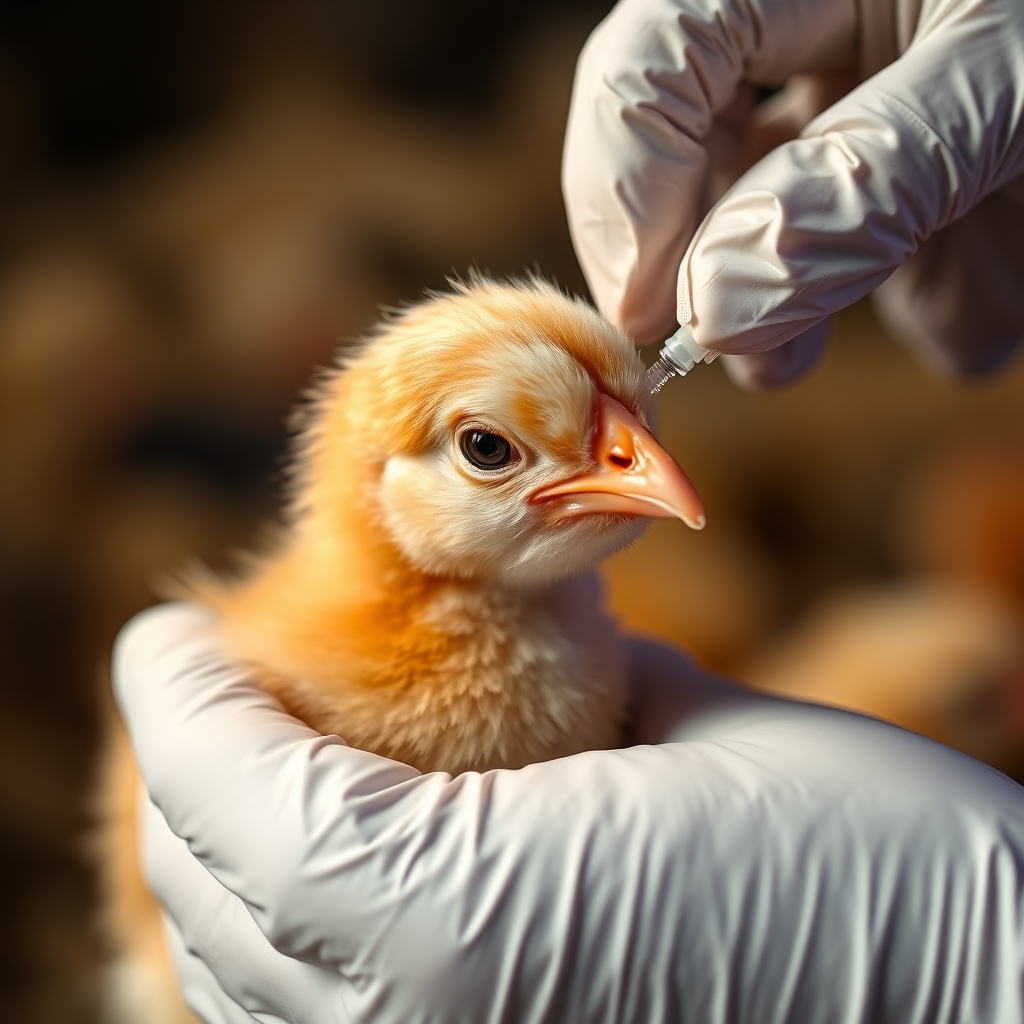
Intertoxemia in sheep is a gut disorder caused by toxins from Clostridium bacteria. The toxins destroy the intestinal epithelial cells, resulting in profuse diarrhea and rapid death.
The condition is classified among soft‑tissue (renal) diseases because the toxins affect both intestinal and renal functions. It is common on farms that rely on concentrated, high‑protein feeds.
- Causes acute digestive upset.
- Leads to rapid fluid loss.
- Increases the risk of lamb mortality.
Clinical signs usually appear 12–24 hours after toxin exposure. Diagnosis is based on clinical presentation and fecal analysis.
Immediate treatment is essential to reduce mortality. A veterinarian should be consulted to determine the correct doses of antitoxin serum and antibiotics.
Causes: Clostridium and Over‑Feeding
Clostridium is the bacterium that produces the toxins responsible for intertoxemia. Type D is the most prevalent strain in sheep.
Feeding excessive amounts of concentrated feed promotes Clostridium growth in the gut, especially in fast‑growing lambs.
- High‑protein concentrate.
- Over‑supplementation of grains.
- Low fiber content in the ration.
Toxin accumulation occurs when the digestive system’s capacity is exceeded. Controlling feed quality reduces the risk of an outbreak.
Producers should monitor carbohydrate and fat levels in the ration to avoid stimulating Clostridium proliferation.
Clinical Signs and Pathology
Typical clinical signs include watery diarrhea, abdominal distension, and loss of appetite. Shivering and abdominal cramps may also be observed.
Pathologically, the intestinal epithelium is damaged, and inflammation appears in the soft‑tissue (renal) layer.
- Bloody diarrhea in advanced cases.
- Rapid dehydration from fluid loss.
- Elevated body temperature.
Physical examination reveals dehydration and abdominal contractions. Laboratory testing helps confirm the presence of Clostridium.
Prompt intervention limits tissue damage and improves the chances of recovery.
Treatment and Supportive Care
Treatment involves administering antitoxin serum as soon as possible, under veterinary supervision to determine the correct dose.
Broad‑spectrum antibiotics are used to suppress Clostridium growth, while supportive electrolyte solutions replace lost fluids and salts.
- Antitoxin serum (vet‑supervised).
- Broad‑spectrum antibiotic.
- Saline solution with glucose.
Daily monitoring includes checking temperature and observing stool consistency. Dosages should be adjusted based on the animal’s response.
Pain control and antispasmodic therapy improve comfort and speed recovery.
Vaccination Program for Ewes and Lambs
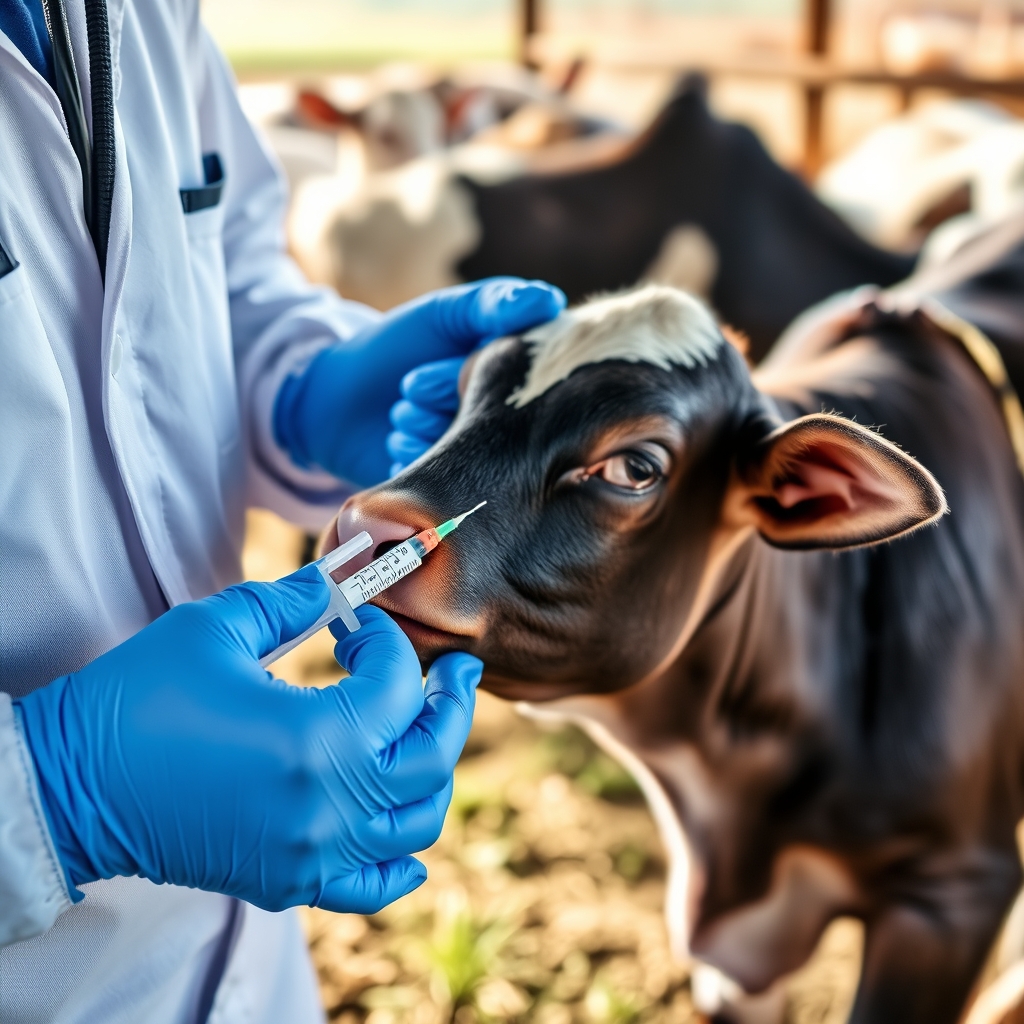
The intertoxemia vaccine is given to ewes before the breeding season to ensure transfer of antibodies to the lambs. Dose is calculated according to the animal’s weight.
Vaccination is typically performed twice before breeding, four weeks apart, with antibody levels checked before lambing.
- Initial dose 8 weeks before breeding.
- Booster dose 4 weeks before breeding.
- Record all vaccinations in the farm log.
For more information on vaccines and veterinary products, visit Drugvet Veterinary Medicines Encyclopedia.
Vaccination dramatically reduces the incidence of intertoxemia and strengthens lamb immunity during their first weeks of life.
Prevention and Feed Management
Prevention starts with balanced feeding and avoiding excess concentrate. Providing adequate fiber in the ration helps limit Clostridium growth.
Proper feed storage in dry conditions prevents the proliferation of harmful bacteria.
- Keep protein levels below 14 %.
- Add straw or hay to increase fiber.
- Monitor water quality and disinfect regularly.
Routine herd health checks enable early detection of cases. Ongoing staff training on hygiene practices reduces disease spread.
Working with a veterinarian to update prevention plans ensures sustainable productivity.
Frequently Asked Questions About Intertoxemia
When is the best time to vaccinate ewes against intertoxemia? Vaccination is recommended 8 weeks before breeding, with a booster 4 weeks later.
Can intertoxemia be treated after clinical signs appear? Yes, but effectiveness declines the longer treatment is delayed, so immediate action is crucial.
- Does concentrate feed increase disease risk? Yes, it promotes Clostridium growth.
- What is the withdrawal period for medications? The veterinarian determines it based on the specific drug used.
- Is vaccination alone enough for prevention? No, it must be combined with proper feed management.
Are there preferred antibiotics? The veterinarian selects the appropriate drug based on the farm’s Clostridium sensitivity profile.
Can antitoxin serum be used in pregnant ewes? Yes, but a veterinarian must set a safe dosage.
In conclusion, understanding the causes of intertoxemia in sheep, recognizing its signs, and implementing an effective vaccination program are among the most important steps to reduce losses. Maintaining a balanced diet and using treatments under veterinary supervision ensure herd health and production sustainability. Download the DrugvetMaster app from Google Play or the App Store to track product registrations, verify dosages, and monitor withdrawal periods accurately.