Feather loss in birds is one of the most common concerns for bird owners and enthusiasts. It can be as simple as a natural molt, or it may signal disease, nutritional deficiency, or severe stress. In this article, we review the common causes of feather loss and offer practical, science‑based solutions to address the issue safely and effectively. We also emphasize the importance of consulting a veterinarian before any intervention, focusing on prevention and daily care. This guide provides clear, easy‑to‑follow information to help you understand the problem and implement the necessary steps for recovery.
For more information on pet care, visit Pets.
Natural Feather Replacement vs. Pathological Shedding
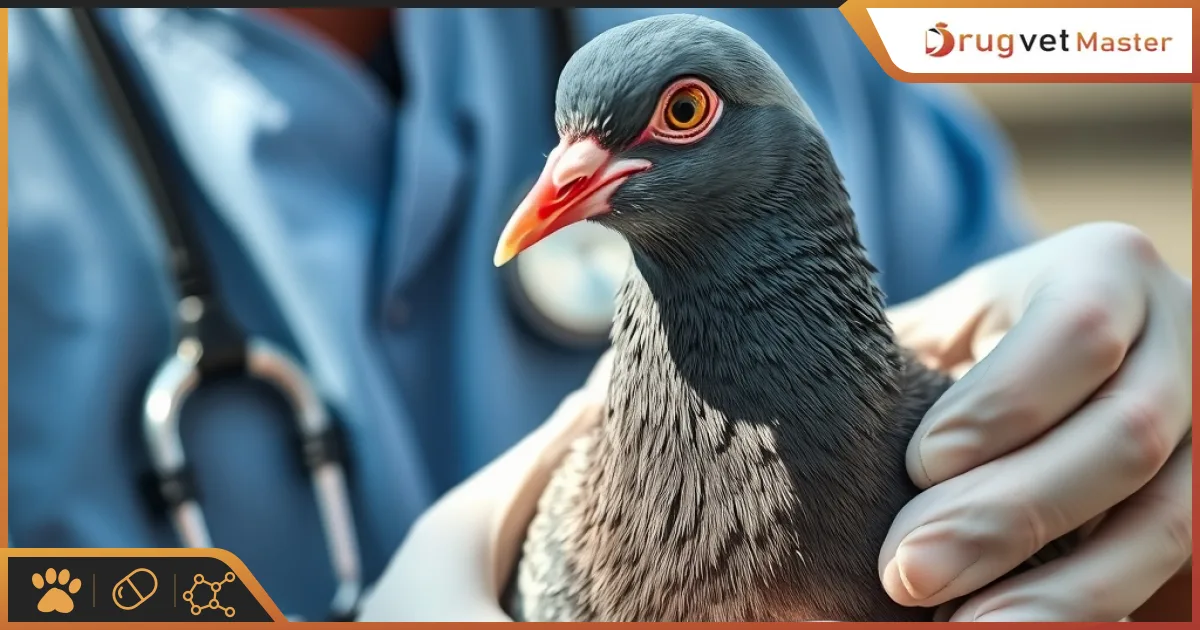
Birds follow a natural molting cycle, shedding old feathers to make way for new ones. This process typically occurs during specific seasons and is normal, causing no concern. In contrast, pathological shedding appears abruptly and unexpectedly, with large areas of feather loss.
Pathological shedding often indicates an underlying health issue that requires immediate attention. Causes may include bacterial or viral infections, essential nutrient deficiencies, or psychological distress from an unsuitable environment. Carefully monitor your bird to determine whether the shedding is natural or pathological.
- The bird loses feathers in specific areas.
- Feathers come out unevenly.
- The bird shows signs of fatigue or loss of appetite.
If you suspect pathological shedding, a veterinary examination is recommended to pinpoint the exact cause. The bird may need antimicrobial treatment or nutritional supplements. Reviewing the bird’s environment for stressors is also essential.
Managing stress and noise in the environment can reduce the risk of pathological shedding. Providing ample space for the bird to move and exercise also improves overall health.
Causes of Feather Loss in Birds
One of the most prominent causes of feather loss is a deficiency in essential nutrients, especially proteins and vitamins. When a bird lacks what it needs, it may shed feathers to reduce weight or avoid other health problems. Calcium and iron deficiencies can also impair feather growth.
Parasites such as ticks and fleas are another common cause of feather loss. These organisms feed on the bird’s blood, causing irritation and lesions that lead to feather loss. Psychological stress from an unsuitable environment or lack of social interaction can also trigger feather loss.
- Protein deficiency in the diet.
- Parasites on the skin.
- Sudden environmental changes.
- Continuous psychological pressure.
Ensuring a balanced diet tailored to the bird’s species helps prevent feather loss. Regularly examining birds for signs of parasites or skin inflammation is also advised.
Routine monitoring and recording any changes in behavior or feather appearance can help detect problems early and provide appropriate treatment.
Feather Plucking and Stress
Feather plucking is a natural behavior that occurs when a bird feels anxious or stressed. This behavior results in uneven feather loss, leaving bald patches. It is often caused by an unstable environment or lack of social interaction.
Chronic stress weakens the immune system and increases the risk of infection, leading to feather loss. Therefore, providing a calm, suitable environment, along with daily interaction and play, is essential for mood improvement.
- Sudden relocation of the cage.
- Continuous household noise.
- Lack of companions for the bird.
- Unexpected changes in the bird’s routine.
Monitoring the bird’s behavior and identifying stress sources is important. Stimulating toys or safe roaming areas can reduce stress. Adequate, appropriate lighting for the species is also recommended.
Managing stress requires patience and understanding. Birds can regain confidence in their environment when provided with the necessary comfort and support.
Treating Feather Loss by Cause
Once the cause is identified, the appropriate treatment can be chosen. If the cause is nutritional deficiency, natural dietary supplements or a change in food type is advised. If parasites are the culprit, approved antiparasitic treatments and cage sanitation are required.
In cases of stress, adjusting the bird’s environment, adding toys, and providing companions are recommended. Natural calming products can also be used, but only after consulting a veterinarian.
- Nutritional deficiency → protein supplements.
- Parasites → antiparasitic agents.
- Stress → stimulating toys.
- Dermatological conditions → topical treatments.
Monitoring the bird after treatment is crucial to ensure feather regrowth and prevent recurrence. The recovery period may vary depending on the severity of the issue.
Consulting a veterinarian helps select the most suitable treatment and avoid mistakes that could affect the bird’s health.
Nutrition and Vitamins
A balanced diet is the foundation of feather health. The diet should include high‑quality proteins, omega‑3 fatty acids, and vitamins A and E. These nutrients support strong, shiny feather growth.
Vitamins are essential for strengthening skin and feathers. Vitamin A deficiency can cause skin lesions, while vitamin E deficiency leads to brittle feathers. Therefore, incorporating natural vitamin supplements into the diet is recommended.
- Protein from whole grains.
- Small fish for vitamins.
- Spinach for iron and calcium.
- Nuts for healthy fats.
Combining dry food with fresh vegetables ensures nutritional balance. Regularly changing the food also prevents reliance on a single type.
Continuous monitoring of weight and growth helps adjust the diet as needed.
Cage Environment and Lighting
The cage environment affects feather health. The cage should be spacious enough to allow the bird to move and exercise. A cramped cage causes stress and waste buildup, negatively impacting feathers.
Appropriate lighting is essential for feather strength. Natural light or full‑spectrum LED lighting stimulates growth hormone production. Excess or insufficient light can cause feather growth problems.
- Spacious cage with exercise areas.
- Balanced LED lighting.
- Regular cage changes.
- Daily cage cleaning.
Proper temperature and humidity help maintain skin and feather health. Sudden changes in temperature or humidity should be avoided.
Maintaining a clean cage and providing stimulating toys reduces stress and increases the bird’s activity.
In conclusion, treating feather loss in birds requires a precise understanding of the problem’s causes and the application of comprehensive solutions that include nutrition, environment, and parasite and stress prevention. Do not hesitate to consult a veterinarian before any intervention to ensure your bird’s safety and health. With proper care, birds will return to their normal health and activity, enjoying a suitable and healthy environment.