Foot‑and‑mouth disease (FMD) is one of the most contagious viral illnesses affecting livestock, severely impacting milk yield and calf growth. The virus spreads easily among cattle, buffalo and sheep through oral and nasal secretions, making control a major challenge for farmers. No specific cure exists to eliminate the virus, so treatment focuses on immediate isolation, preventive vaccination and supportive care to alleviate symptoms and prevent complications. Veterinarians and relevant authorities must be notified as soon as any suspicious signs appear to ensure rapid actions that protect herd health and limit economic losses. This practical guide reviews the clinical signs of FMD in different species, supportive treatment methods, effective vaccination programs, and the isolation and reporting procedures that safeguard farm biosecurity.
What Is Foot‑and‑Mouth Disease and How Is It Transmitted?
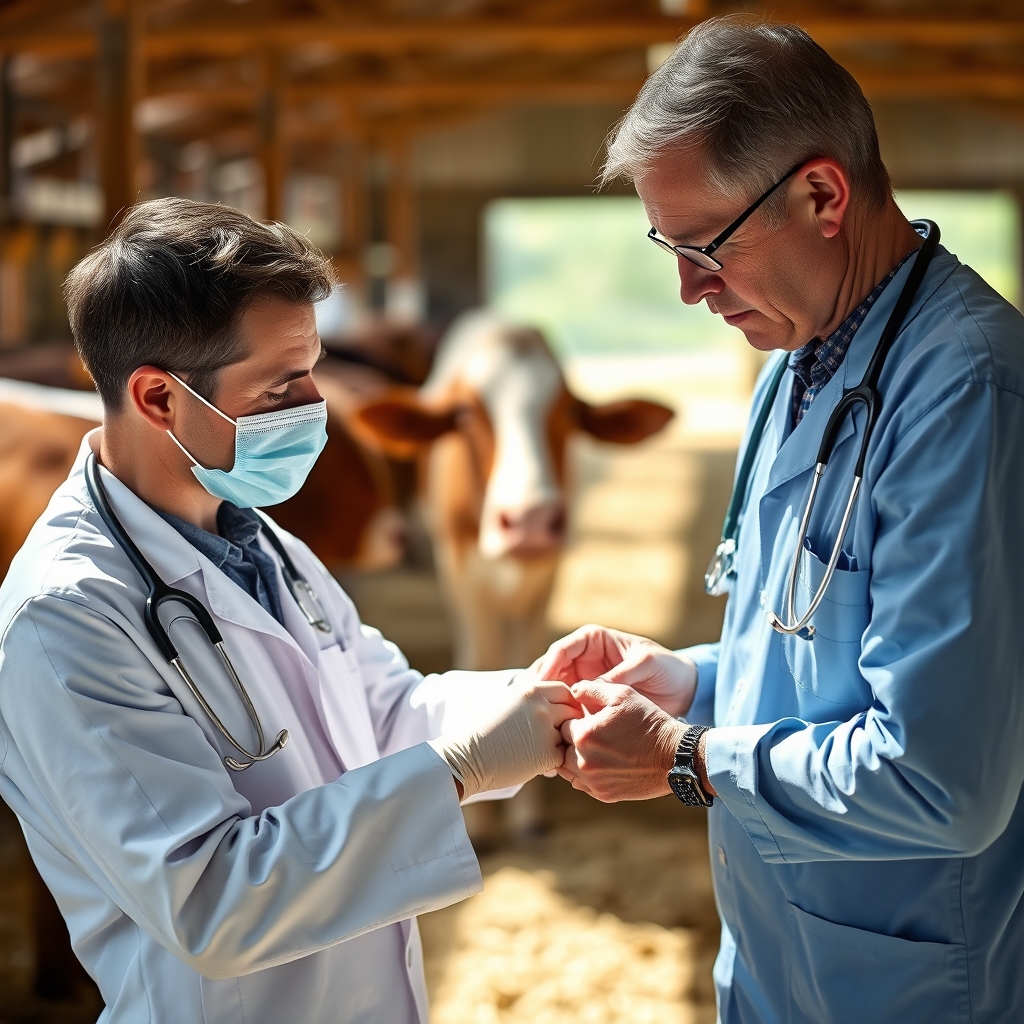
FMD is a highly contagious viral disease that spreads among livestock via oral and nasal secretions. The virus moves readily between animals in a herd.
The disease also spreads through contaminated equipment, water and airborne particles within barns. Prevention requires strict hygiene and isolation of suspect cases.
- Direct contact between infected and healthy animals.
- Contaminated tools such as ropes and buckets.
- Untreated water used for drinking.
- Airflow in crowded housing.
Research shows the virus can remain viable in the environment for several days, necessitating thorough disinfection. Implementing strict cleaning protocols reduces the risk of spread.
Controlling virus transmission demands coordination between farmers and veterinary authorities, with prompt documentation and reporting of cases.
Symptoms of Foot‑and‑Mouth Disease in Cattle, Buffalo and Sheep

Clinical signs usually appear after an incubation period of 2 to 14 days and include fever, loss of appetite and oral discharge.
Sheep may develop swelling of the mouth and tongue, while cattle and buffalo typically show severe lesions on the hooves.
- High fever up to 41.5 °C.
- Purulent oral discharge.
- Ulcers in the mouth and on the hooves.
- Reduced milk production.
These signs cause general weakness, negatively affecting growth and production rates. Continuous monitoring helps detect the disease early.
Differentiating FMD from other illnesses requires a professional clinical examination, so consult a veterinarian immediately if you suspect infection.
Is There a Specific Cure for Foot‑and‑Mouth Disease?
No drug can eradicate the virus permanently; treatment therefore focuses on relieving symptoms and supporting the immune system.
Supportive therapy includes antipyretics, non‑steroidal anti‑inflammatory drugs (NSAIDs) and topical treatments for oral lesions.
- Mild fever reducers.
- Anti‑inflammatory agents to lessen pain.
- Topical preparations for oral wounds.
- Antibiotics for secondary bacterial infections.
These medications are administered according to the veterinarian’s recommendations, observing withdrawal periods before slaughter or milking. Never substitute one drug for another without professional advice.
Adhering to prescribed dosages ensures treatment efficacy and reduces the risk of drug resistance.
Supportive Care and Management of Complications
Supportive care aims to minimize weight loss and promote recovery, emphasizing high‑energy, high‑protein nutrition.
Complication management involves antibiotics for secondary bacterial infections and special care for damaged hooves.
- Energy‑dense feed to boost immunity.
- Vitamin and mineral supplements.
- Antibiotics based on bacterial sensitivity.
- Specific attention to ulcerated hooves.
Daily monitoring helps spot rapid deterioration. Record temperature and feed intake for each sick animal.
Collaboration with the veterinarian allows the treatment plan to be adjusted according to the animal’s response.
Vaccination and Prevention Program
Vaccination is the cornerstone of FMD prevention and is usually performed before the breeding season.
Approved vaccines provide long‑lasting immunity; a primary series of two doses is followed by a booster as advised by the veterinarian.
- Inactivated viral vaccine administered subcutaneously.
- Initial dose followed by a booster after four weeks.
- Annual revaccination.
- Document all doses in the herd record.
Following the vaccination schedule dramatically reduces disease spread and limits production losses. Integrate the vaccination program with overall farm hygiene practices.
For detailed information on available vaccines, refer to Drugvet Veterinary Medicines Encyclopedia.
Isolation, Reporting and Biosecurity
Immediate isolation of suspect animals prevents the virus from spreading within the herd. Move the animal to a dedicated isolation pen.
Reporting to the appropriate authorities ensures emergency measures such as sample testing and movement restrictions are implemented.
- Transfer the animal to an isolated pen.
- Notify the veterinarian and relevant authorities.
- Conduct rapid laboratory diagnostics.
- Enforce movement bans on the farm.
Biosecurity requires training staff in hygiene procedures and the use of personal protective equipment. Ongoing surveillance guarantees the virus does not re‑emerge.
Recording all cases and actions builds a database that helps improve future prevention strategies.
Frequently Asked Questions About Foot‑and‑Mouth Disease
Farmers often ask about transmission, vaccination details and management during lactation. Below are concise answers.
The responses are based on the latest veterinary guidelines and encourage consultation with a qualified veterinarian for each situation.
- What is the interval between vaccine doses?
- How can I detect FMD symptoms early?
- Can antibiotics be used for prevention?
- What is the withdrawal period after treatment?
- How should infected animals be handled during milking season?
Answers indicate that the interval depends on the vaccine type and veterinary advice. Early detection requires regular temperature checks and observation of behavior.
Antibiotics do not treat the virus; they are used only for secondary bacterial infections. Withdrawal periods are specified on the product label and vary with the medication used.
In conclusion, strict adherence to isolation, vaccination and supportive care programs is the most effective way to curb foot‑and‑mouth disease and protect herd productivity. Consulting a veterinarian and implementing robust biosecurity measures ensure farm safety and sustainable production.