If you own a dog or a cat and are worried about their health, you’re not alone. Many pet owners share similar concerns when symptoms like diarrhea and loss of appetite appear. It’s important to know that canine parvovirus is an emergency that requires immediate veterinary intervention to prevent severe dehydration; home remedies are not sufficient. In cats, the comparable disease is feline panleukopenia, which also demands specialized veterinary care. Giardia is an intestinal parasite that affects both dogs and cats and is treated with antiparasitic drugs under a veterinarian’s supervision. In this article we’ll cover the symptoms, medication care, and prevention methods to keep your pet healthy.
We’ll present the information in a clear, friendly way, focusing on practical tips you can apply after consulting your vet. A useful link to a veterinary drug encyclopedia is also provided to expand your knowledge of active ingredients. Our goal is to help you recognize early disease signs and take the right steps to protect your pet’s wellbeing.
What Is Canine Parvovirus?
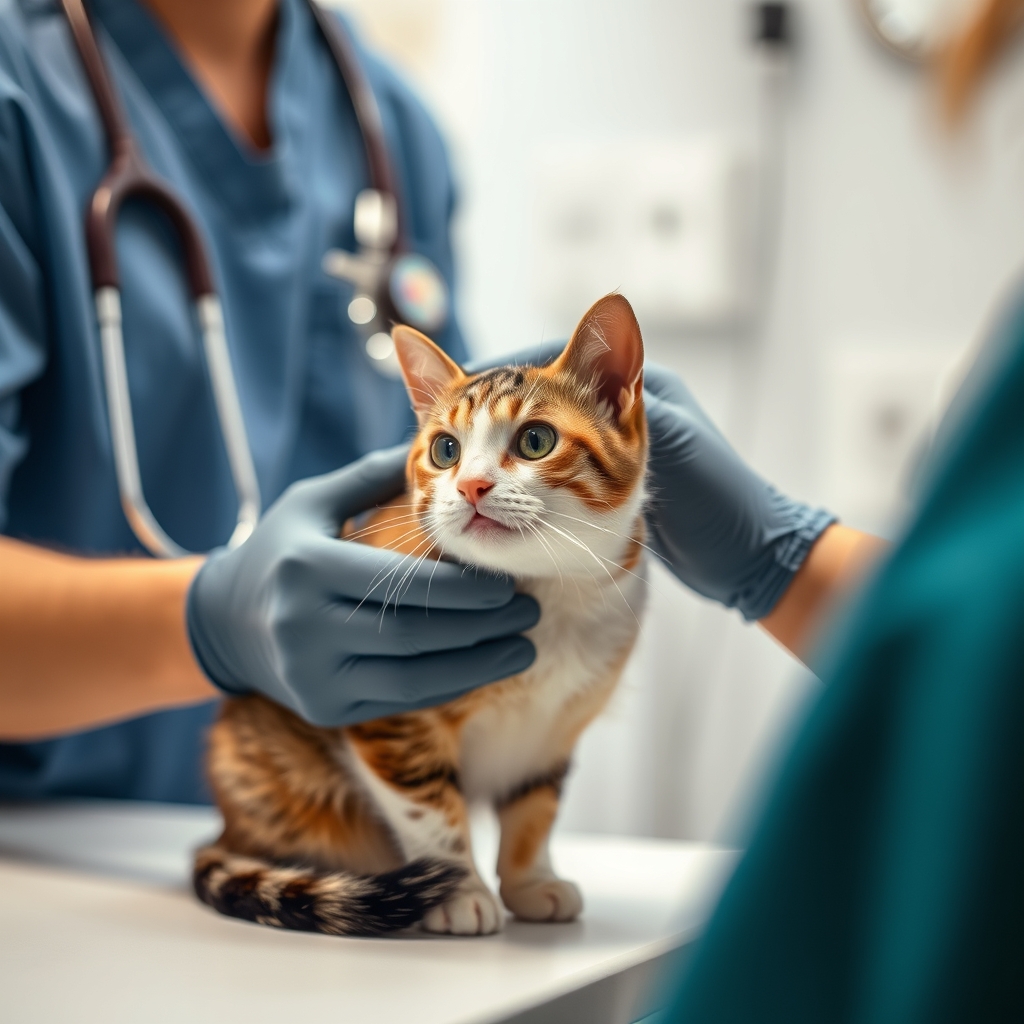
Canine parvovirus is one of the most aggressive intestinal viruses in dogs, spreading through contaminated feces and moist environments. It attacks the cells lining the intestines, causing rapid tissue destruction.
The disease spreads easily among unvaccinated puppies, leading to rapid loss of fluids and electrolytes, making dehydration a serious risk. Prompt veterinary assistance is essential as soon as symptoms appear.
- Powerful DNA virus that destroys intestinal cells.
- Transmitted via feces and direct contact.
- Especially severe in unvaccinated puppies.
Symptoms usually appear 3–5 days after exposure and worsen as the disease progresses. Common signs include watery diarrhea, vomiting, and loss of appetite.
The primary prevention is regular vaccination, especially during the puppy stage, combined with consistent cleaning and disinfection of the environment.
Parvo Symptoms and the Danger of Dehydration

A hallmark sign of parvo is watery or bloody diarrhea, often accompanied by fever. Owners may also notice rapid weight loss.
Dehydration results from fluid loss through diarrhea and vomiting and can lead to low blood pressure and organ failure if not treated quickly.
- Continuous watery or bloody diarrhea.
- Frequent vomiting and loss of appetite.
- General weakness and dry mouth.
If you observe any of these signs, take your pet to the veterinarian immediately for supportive care and intravenous fluids. Do not give any medication without professional advice.
Treatment typically includes supportive antivirals, electrolyte replacement, and monitoring of organ functions until the pet stabilizes.
What Is Giardia and How Is It Transmitted?
Giardia is a single‑celled parasite that infects the small intestine of dogs and cats, spreading through contaminated feces or unclean water. The infection can be mild or severe depending on the animal’s condition.
Cats can contract a related organism called feline panleukopenia, which is similar to giardia but differs in some morphological traits.
- Spread via contaminated feces or untreated water.
- Lives in the small intestine and causes inflammation.
- Causes intermittent or continuous diarrhea.
Symptoms include watery diarrhea that may contain blood or mucus, weight loss, and changes in appetite. In some cases the infection can be subclinical.
Diagnosis is made by examining stool samples for cysts or trophozoites, and treatment requires medication prescribed by a veterinarian.
Therapeutic Care and Fluid Support
When parvo or giardia is diagnosed, fluid therapy is essential to prevent dehydration and replace lost electrolytes. Fluids are usually administered intravenously in severe cases.
In addition to fluids, anti‑emetics and antibiotics may be given if there is a risk of secondary bacterial infection.
- IV fluids to restore water and electrolyte balance.
- Anti‑emetics to reduce vomiting and improve food intake.
- Antibiotics when secondary infection is suspected.
Daily monitoring includes checking temperature, heart rate, and the amount of diarrhea and vomiting. Fluid rates should be adjusted according to the pet’s condition.
Once the animal stabilizes, a bland, highly digestible, and nutritious diet is recommended to speed recovery.
Active Ingredients Used for Giardia
Giardia treatment relies on antiparasitic drugs that target the cysts in the intestine. The most commonly used medications are metronidazole and fenbendazole.
These drugs must be administered under veterinary supervision, with attention to withdrawal periods before breeding or competition.
- Metronidazole: effective against most giardia strains.
- Fenbendazole: used in cases of resistance.
- Combination drug regimens: chosen based on infection severity.
Dosage is determined by the animal’s weight and health status; strict adherence to the vet’s instructions is crucial to avoid drug resistance.
Observing the prescribed withdrawal period before allowing the animal to participate in any commercial or breeding activity is essential.
Vaccination and Prevention for Puppies and Kittens
Vaccination is the best way to prevent parvo in dogs and is typically given on a schedule that starts at six weeks of age. Completing the series provides full protection.
For cats, vaccination against feline panleukopenia is recommended alongside routine immunizations.
- Parvo vaccine for dogs begins at 6 weeks.
- Boosters every 3–4 weeks until 16 weeks of age.
- Feline panleukopenia vaccine included in the standard cat vaccine schedule.
Environmental cleanliness plays a major role in prevention; regularly clean and disinfect sleeping areas, toys, and avoid sharing food or equipment between unvaccinated animals.
Using Drugvet Veterinary Drug Encyclopedia helps you find detailed drug information and withdrawal times accurately.
Frequently Asked Questions About Parvo and Giardia
When should the parvo vaccination series start? It usually begins at 6 weeks of age and continues until the series is complete. Consult your vet for a schedule that fits your puppy.
Can a dog with parvo recover without treatment? No; the disease progresses rapidly and can cause fatal dehydration without proper fluid therapy and medication.
- Is giardia transmissible to humans? Yes, it can be passed to people via contaminated feces.
- How often should the environment be disinfected? After every infection case, immediate thorough cleaning is required.
- Are there hidden symptoms of parvo? Early signs may be mild and can quickly become severe.
What is the role of metronidazole in giardia treatment? It kills the parasites in the intestine, reduces diarrhea, and is given under veterinary supervision.
How can you prevent the spread of parvo at home? Maintain hygiene, avoid sharing tools, and regularly disinfect contaminated areas.
In conclusion, recognizing the signs of parvo and giardia and seeking prompt veterinary care are key to protecting your dog or cat from serious complications. Don’t hesitate to contact your vet at the first hint of trouble, and use resources like the veterinary drug encyclopedia for accurate medication details and withdrawal periods. Keep up with vaccination schedules and maintain a clean environment to ensure your pet’s health and happiness.