Scabies is one of the most common skin diseases in cats and requires a clear understanding of its signs and how it spreads before starting any treatment. The term treating scabies in cats is especially important for guiding owners toward effective preventive and therapeutic measures. This guide provides a detailed overview of the different types of scabies, the symptoms a cat may show, veterinary drugs such as ivermectin for cats, and tips on isolating the cat and cleaning the environment. Always consult a veterinarian before taking any treatment step to ensure the animal’s safety.
The severity of an infestation varies with the parasite species and how long they have been on the skin, so early recognition of clinical signs helps reduce complications. The article also includes prevention guidelines to avoid scabies spreading among household pets, with a reference to a reliable source on pets for further learning.
Types of Scabies in Cats
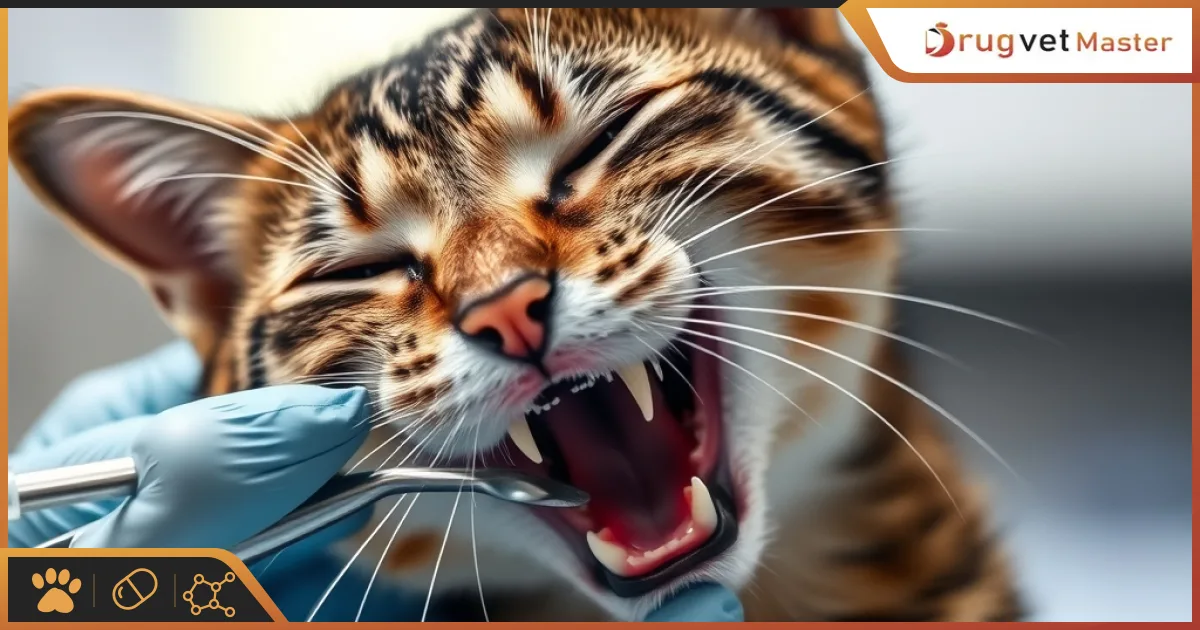
Scabies in cats is caused by several mite species that differ in their mode of transmission and skin impact. The most common is the Sarcoptes mite, which spreads easily between cats and dogs.
There is also the ear mite, which prefers the oily areas inside the ear, causing intense itching and discharge. Each type requires a different diagnostic and treatment approach.
- Sarcoptes: transmitted through direct contact.
- Ear: concentrates in the ear canals.
- Cheyletiella: causes severe itching on the limbs.
Accurately identifying the species helps the veterinarian choose the right medication and advise owners on preventive steps. Microscopic examination of skin samples remains the most reliable diagnostic method.
If the species is not identified correctly, treatment may fail or the infection may recur. Therefore, laboratory testing is always recommended before starting any therapy.
Symptoms of Scabies in Cats

Symptoms usually appear weeks after exposure to the mites and vary in intensity depending on the scabies type and the cat’s immune status. Persistent itching is the most obvious sign.
Along with itching, you may notice bumps or flakes on the skin, especially in warm areas such as the neck and ears. Symptoms can worsen quickly if left untreated.
- Severe, nonstop itching.
- Scales or red patches.
- Localized hair loss.
- Thick ear discharge.
Scratches from itching can lead to secondary infections that may require additional antibiotics. Monitoring your cat’s behavior helps catch symptoms early.
It is crucial not to ignore any sign that could indicate scabies, because rapid mite spread can affect other animals in the home. Consulting a veterinarian to confirm the diagnosis remains essential.
Treating Scabies in Cats with Veterinary Medications
Several effective veterinary drugs are available to combat scabies, and their use varies according to the mite type and infection severity. The main options are topical preparations and injections.
Some medications are given orally and require repeated doses to ensure all mites are eliminated. Always follow the veterinarian’s instructions precisely.
- Topical products: applied directly to the skin.
- Oral tablets: dosed according to the cat’s weight.
- Injections: used for severe cases.
When used at the right time, veterinary drugs produce a rapid response and lower the chance of reinfestation. Ongoing follow‑up after treatment is necessary to assess effectiveness.
Avoid using any medication without professional advice, as some drugs can cause serious side effects if given at incorrect doses or to sensitive cats.
Ivermectin for Cats: When to Use It and What to Watch For
Ivermectin for cats is a commonly used drug for scabies, especially for ear and skin infestations. It is typically reserved for cases where other treatments have failed.
Ivermectin can be administered orally or by injection and requires careful dose monitoring to avoid toxicity. It is not recommended for pregnant or nursing cats without veterinary supervision.
- Used when conventional therapies fail.
- Avoid in very young kittens lacking adequate weight.
- Requires a liver function test before use.
The main precaution is the risk of neurological disturbances if given in high doses. Always review the cat’s medical history before starting treatment.
Studies show ivermectin is effective at eliminating most scabies species, but it does not replace continuous prevention and environmental hygiene.
Isolating the Cat and Cleaning the Environment
Once scabies is diagnosed, isolating the affected cat is essential to prevent transmission to other animals or humans. Place the cat in a separate room.
Environmental cleaning includes washing bedding, toys, and any items the cat contacts with disinfectants. The process should be repeated several times to ensure mite eggs are destroyed.
- Wash bedding in hot water.
- Use safe insecticidal products.
- Clean floors with disinfectant solutions.
- Sanitize toys and accessories.
Regular disinfection helps reduce the chance of reinfestation. Consulting a pest‑control specialist can help identify the safest products.
After isolation and cleaning, continue monitoring the cat to evaluate its response to treatment and determine if additional measures are needed.
Preventing Infection
Preventing scabies is more effective than treating it and involves simple steps owners can easily follow. Maintaining a clean environment plays a key role.
Avoid direct contact with unknown or sick animals, and use preventive products recommended by your veterinarian to lower infection risk.
- Regular veterinary check‑ups.
- Use reliable insect repellents.
- Routine home sanitation.
- Do not share grooming tools between pets.
Educating yourself about scabies symptoms enables early detection and prompt treatment. Teach all family members to observe cat behavior for signs.
Ultimately, consulting a veterinarian remains the cornerstone of keeping cats healthy and scabies‑free, alongside the preventive and therapeutic advice outlined above.
Following the guidelines in this article ensures a safe, healthy environment for cats and reduces the risk of scabies spreading among pets. Remember, prevention and early treatment are the keys to protecting your beloved companion.
