Scabies is one of the most important skin diseases affecting livestock, especially cattle and buffalo, and it negatively impacts milk and meat production. The parasite that causes the disease spreads through direct contact between animals or via a contaminated environment, making prevention and treatment vital for farmers. Accurate diagnosis is essential to avoid confusion with other skin conditions, and treatment relies on a range of effective drugs administered according to a veterinarian’s instructions. In addition to medication, regular barn cleaning and proper withdrawal periods play a major role in limiting disease spread and protecting the safety of dairy and meat products. This article covers the definition of scabies, its types, symptoms, diagnostic methods, effective drugs, spraying and sanitation procedures, and the withdrawal periods needed to ensure consumer safety.
What Is Scabies in Cattle and Buffalo?
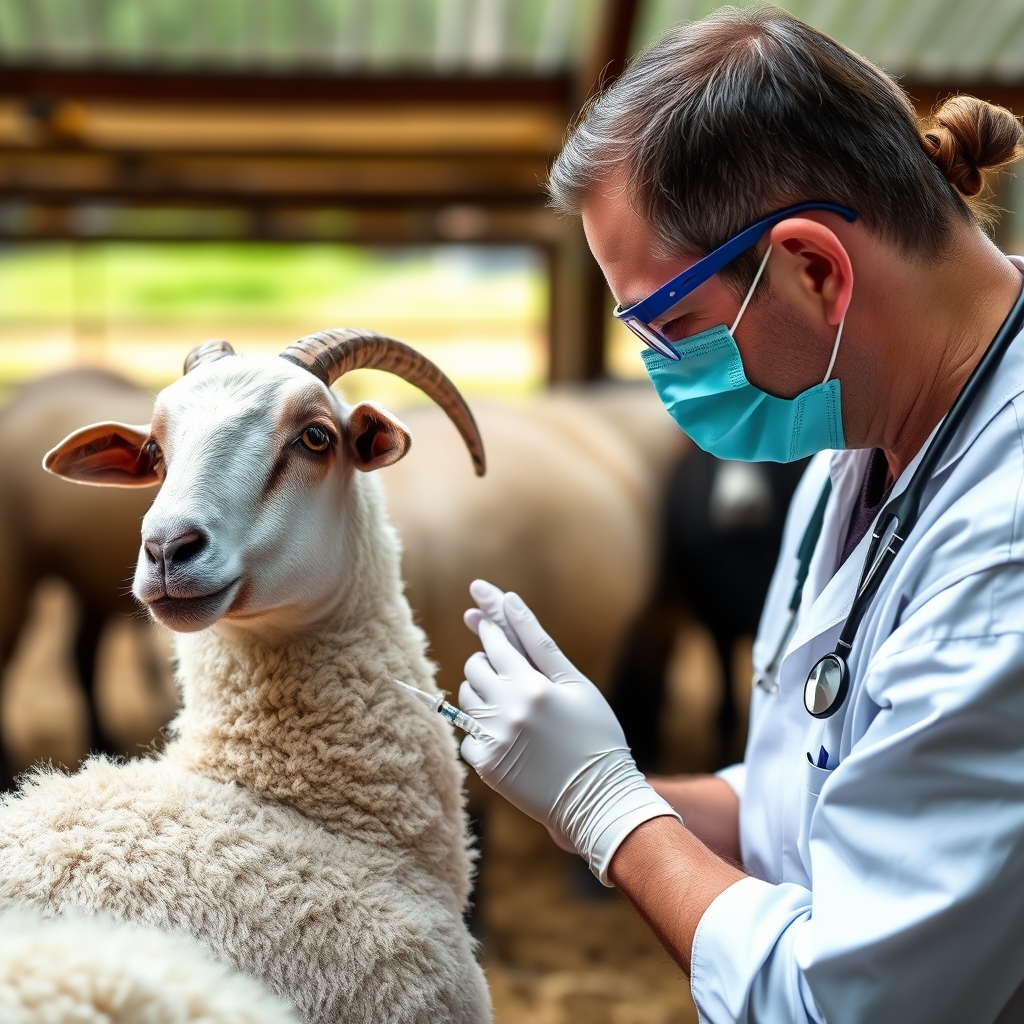
Scabies is a skin disorder caused by a mite from the Sarcoptidae family that hides in the upper skin layer and feeds on skin cells. The disease spreads rapidly through a herd when conditions are humid and crowded.
In livestock, scabies causes intense itching, hair loss, and skin lesions that can develop into secondary infections. The disease is contagious and can be transmitted to farm workers if proper precautions are not taken.
- The mite lives in the stratum corneum.
- Reproduction is rapid in moist conditions.
- Transmission occurs through direct contact.
- All ages can be affected.
- Milk production is reduced.
Managing scabies requires a clear understanding of the mite’s life cycle to choose the best treatment times. Consulting a veterinarian is always recommended to design an appropriate treatment plan.
Prevention includes improving hygiene and implementing regular sanitation programs to lower infection risk. Herds should also be monitored routinely for early signs of the disease.
Types of Scabies and Their Symptoms
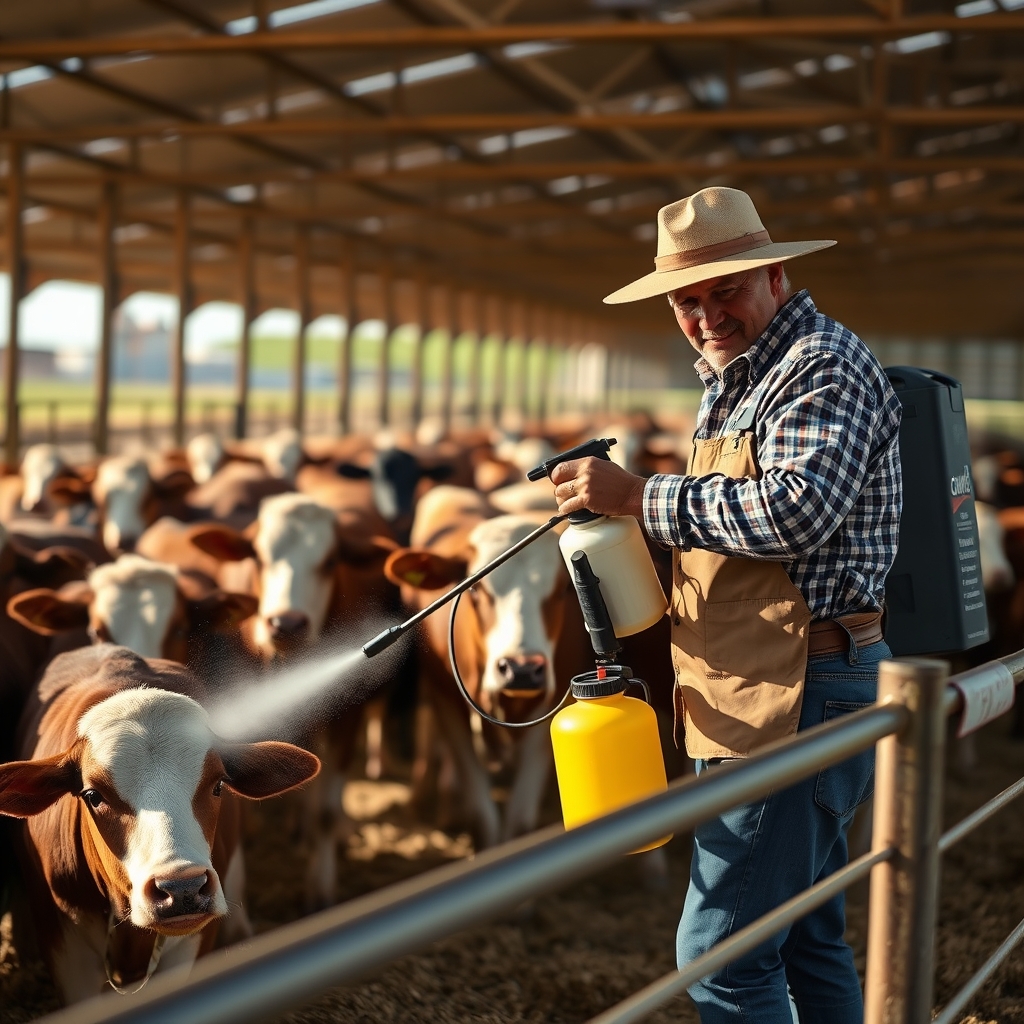
Two main forms affect livestock: ordinary scabies and severe (hard) scabies. Each differs in symptom intensity and affected areas. Ordinary scabies causes mild itching, while severe scabies leads to deep ulcers.
Common signs are persistent itching, hair loss in specific zones, and the formation of white or yellowish crusts. Swellings may also appear on the ears and tail.
- Intense itching on the neck and back.
- White crusts on the skin.
- Hair loss in affected areas.
- Ulcers that can become infected.
- Skin discoloration in some cases.
Symptoms worsen with higher temperature and humidity, which accelerates mite spread. Early recognition of these signs is essential to limit losses.
Careful observation of herd behavior helps detect scabies before an outbreak, allowing prompt treatment.
Diagnosis and Differentiation from Other Skin Diseases
Diagnosis relies on a clinical skin examination and microscopic analysis to confirm the presence of the causative mite. A veterinarian can take a skin sample for laboratory testing.
Scabies must be distinguished from other skin conditions such as ringworm or fungal dermatitis, as the symptoms and treatments differ. Laboratory testing ensures diagnostic accuracy.
- Microscopic skin examination.
- Use of trial medications.
- Comparison of signs with other diseases.
- Consultation with a specialist veterinarian.
- Recording the disease history in herd logs.
Identifying the exact scabies type helps select the appropriate drug and determine treatment duration. Rapid diagnosis reduces disease spread within the barn.
After diagnosis, it is advisable to document the case in herd records to track efficacy and prevent recurrence.
Effective Drugs Used to Treat Scabies
Several drug groups are effective against scabies in cattle and buffalo, including ivermectin, doramectin, and cypermethrin. These medications are usually administered by injection or topical spray.
These products must be used under veterinary guidance, with attention to withdrawal periods to ensure milk and meat safety. Dosages should never be set without professional advice.
- Ivermectin – Avicor series.
- Doramectin – part of the Etocx range.
- Cypermethrin – within the Cyper class.
- Other groups include topical formulations.
- All used according to veterinary directions.
Studies show that these drugs reduce mite numbers and accelerate skin healing. Following usage instructions is crucial to avoid drug resistance.
For more information on veterinary medicines, refer to Drugvet Veterinary Drug Encyclopedia and verify product details.
Spraying, Sanitation, and Barn Control
Regular drug spraying on the skin helps eliminate remaining mites after systemic treatment. Spraying is best performed at dusk to reduce evaporation.
Sanitation involves cleaning the barn with approved disinfectants and sterilizing all care equipment. Every area that contacts the animals must be treated.
- Use veterinary‑approved disinfectants.
- Clean pens and water drains.
- Sterilize tools before each use.
- Apply spray to all animals.
- Follow a routine sanitation schedule.
Maintaining strict hygiene reduces the risk of re‑infection and limits scabies spread to other animals. Workers should be trained on proper cleaning protocols.
Continuous monitoring after sanitation ensures no parasite residues remain in the environment.
Withdrawal Periods and Safety of Milk and Meat
The withdrawal period is the time that must elapse after treatment before milk or meat can be used. Periods vary depending on the active ingredient.
For lactating cows, strict adherence to the withdrawal period is essential to guarantee that milk contains no drug residues. The veterinarian determines the exact duration.
- Ivermectin: specific withdrawal time.
- Doramectin: withdrawal according to label instructions.
- Cypermethrin: withdrawal as directed by the vet.
- Record periods in herd logs.
- Test milk before sale.
Observing withdrawal periods protects consumers and prevents legal violations. Regular milk testing confirms the absence of drug residues.
If there is any doubt, milk production should be halted until safety is verified.
Frequently Asked Questions About Livestock Scabies
When is the best time to apply treatment? Treatment is most effective at the first sign of symptoms to limit disease spread. Immediate veterinary consultation ensures the right drug choice.
Can scabies be transmitted to humans? Yes, it can spread to people handling infected animals, so personal protective equipment is required.
- How do I differentiate scabies from ringworm? Laboratory testing identifies the mite.
- What is the typical treatment duration? It varies by drug and is followed by a withdrawal period.
- Is prevention possible? Yes, through consistent hygiene and ongoing care.
- Does scabies affect milk production? Yes, it reduces both quantity and quality.
- Do all animals need treatment? Yes, even asymptomatic ones, to prevent spread.
Can the same drug be used for buffalo and cattle? The same drug classes are used, but dosages differ according to animal weight and must be set by a veterinarian.
What steps follow the end of treatment? A comprehensive sanitation program should be carried out, and withdrawal periods must be observed before resuming production.