The Veterinary Drugs Encyclopedia is an essential reference for anyone who owns or cares for pets, combining scientific knowledge with practical information about medicines available for dogs, cats, and birds. This guide explains the uses of various veterinary drugs, focusing on names, categories, and precautions to consider. By reading this article you will gain a clear understanding of how to choose the right medication, read a drug leaflet, and apply safe practices in daily care. We always stress the importance of consulting a veterinarian before starting any treatment, because accurate diagnosis and proper dosing can only be achieved through professional examination.
This guide provides up‑to‑date information for 2026, following the latest international standards in veterinary care. In the sections below you will find detailed explanations of different drug types—from antibiotics to vitamins—as well as practical tips to keep your animals safe. We also include a useful link about pets to expand your knowledge of common diseases and prevention methods.
What Are Veterinary Drugs and Their Types?

Veterinary drugs are pharmaceutical products designed to treat and prevent diseases in animals. They cover a wide range of categories that target various biological systems.
The types vary according to the route of administration, whether oral, injectable, or topical. Each category has a specific role in improving animal health.
- Antibiotics for bacterial infections.
- Antiparasitics for worm control.
- Vitamins to boost immunity and growth.
- Topical preparations for wound care.
- Vaccines for viral disease prevention.
Choosing the right medication must be based on a veterinarian’s diagnosis and the specific disease. Never mix categories without professional advice.
Veterinary drugs are also classified by the animal’s age group, as young animals require special formulations different from adults. Observing these distinctions ensures treatment effectiveness.
Veterinary Antibiotics
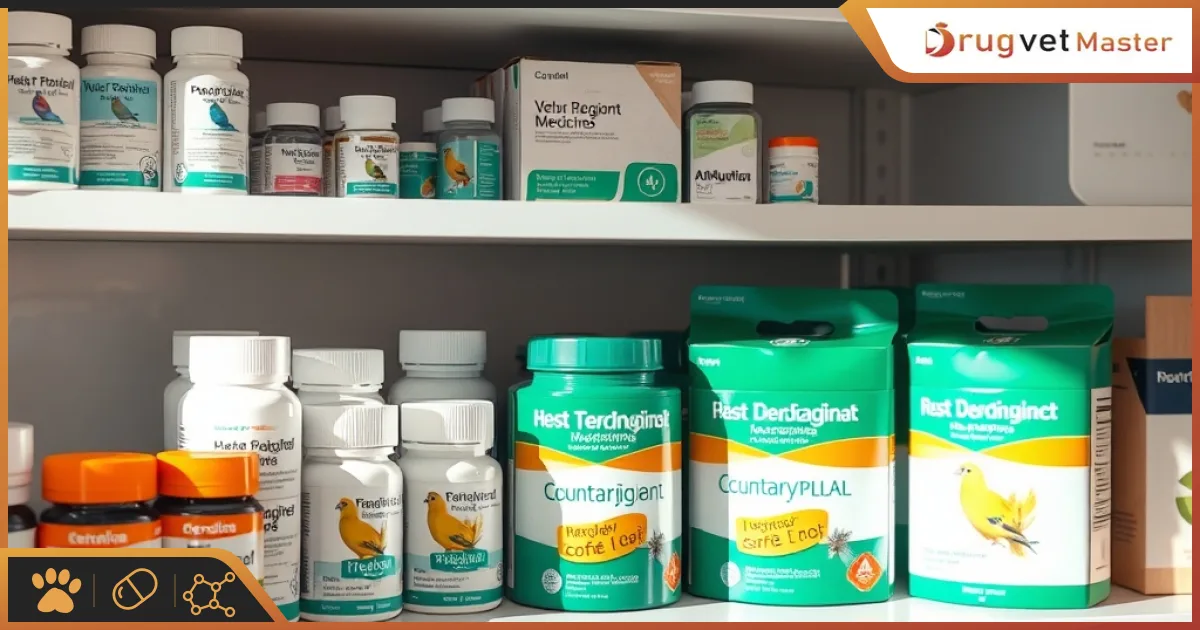
Antibiotics are used to combat bacterial infections in dogs, cats, and birds. They work by inhibiting bacterial growth or killing the organisms outright.
They are available in various pharmaceutical forms such as tablets, syrups, and injections. The choice depends on the animal’s condition and gastrointestinal tolerance.
- Bendazole for reducing bacterial inflammation.
- Amoxicillin for respiratory infections.
- Ceftriaxone for skin infections.
- Clavul for intestinal infections.
- DexiTAXIL for severe infections.
Avoid random use of antibiotics to reduce the risk of bacterial resistance. Regular follow‑up with the vet ensures successful treatment.
Treatment courses are usually fixed; do not stop early even if the animal appears to improve. Sticking to the prescribed dosage helps prevent relapse.
External and Internal Antiparasitic Drugs
Antiparasitic medications treat worms, fleas, and ticks that affect animals. They eliminate parasites both inside and on the surface of the animal’s body.
They are administered in various ways—drops, tablets, or injections—depending on the parasite type and location of infestation.
- Ivermectin for internal worms.
- Fipronil for external fleas.
- Amitraz for ticks.
- NexGard for ticks and fleas.
- Mefenoxam for heartworms.
Regular examinations are essential to identify the specific parasites before starting treatment. Testing helps select the most effective drug.
Some medications are used prophylactically on a regular schedule to prevent the spread of infection among animals. The vet will determine the appropriate prevention plan.
Vitamins and Supplements
Vitamins support animal body functions and enhance immunity and healthy growth. They are usually given as dietary additives or tablets.
Requirements vary by age, breed, and activity level. Choosing the right supplement contributes to a better quality of life.
- Vitamin D for strong bones.
- Vitamin E as an antioxidant.
- Vitamin B12 for energy support.
- Omega‑3 supplement for skin health.
- Calcium supplement for proper development.
Supplements are typically administered in low doses to avoid excess. Ongoing veterinary supervision helps adjust the dosage as needed.
They are used in cases of nutritional deficiency or after surgery to speed recovery. Do not give supplements without professional guidance.
Safety Notes and Dosage Guidelines
Safety is the foundation of any veterinary medication. Read the leaflet carefully and understand the warnings before use.
Dosages differ based on the animal’s weight, age, and overall health. Do not substitute doses between different species.
- Avoid giving dog medication to cats.
- Store medicines in a cool, dry place.
- Check the expiration date before use.
- Do not mix medicines with unapproved foods.
- Monitor for any allergic reactions immediately.
If unexpected symptoms appear, stop the medication and consult a vet right away. Regular follow‑up reduces risks.
Some drugs need refrigeration to maintain potency, while others are stored at room temperature. Following storage instructions ensures drug quality.
How to Read a Drug Leaflet?
A drug leaflet contains vital information about composition, dosage, and side effects. Reading it helps ensure proper use.
Start by locating the drug name, then move to the recommended dosage section based on weight. Make sure you understand each part before administration.
- Drug name and description.
- Recommended dosage according to weight.
- Method of administration (oral, injection, topical).
- Warnings and possible side effects.
- Expiration date and storage instructions.
If any information is unclear, do not hesitate to ask the veterinarian for clarification. Full comprehension minimizes errors.
Keep a copy of the leaflet for reference, especially in emergencies or when adjusting doses. Documentation makes communication with professionals easier.
In conclusion, the Veterinary Drugs Encyclopedia is an indispensable tool for anyone seeking comprehensive health care for their animals. By deeply understanding drug categories and adhering to safety guidelines, the best therapeutic outcomes can be achieved. Always remember that consulting a veterinarian is the first step before any treatment, ensuring the safety and well‑being of your beloved pets.
