Veterinary gentamicin is a powerful antibiotic used to treat a wide range of bacterial infections in animals. It is effective against gram‑negative bacteria and some staphylococcal strains, making it a popular choice in veterinary settings. In this article, we’ll review gentamicin’s properties, how it’s used, its dosing, and the most important potential side effects, emphasizing the need to consult a veterinarian before any treatment. We’ll also explain when this drug should not be given and provide useful links for those interested.
What is veterinary gentamicin and how does it work?
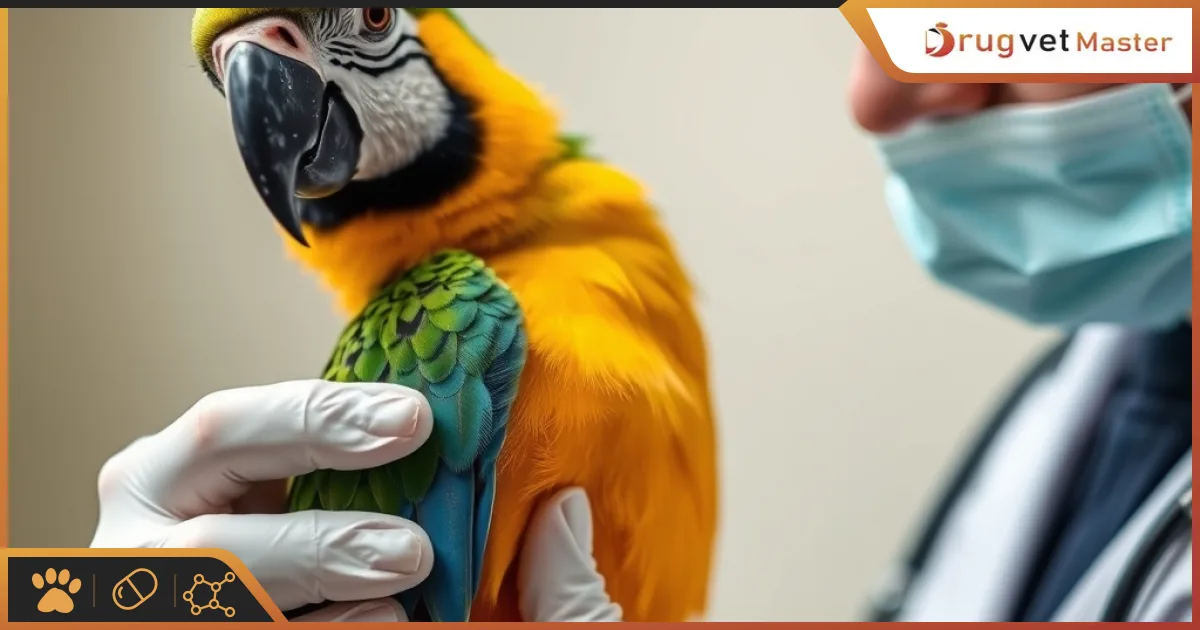
Gentamicin is an aminoglycoside antibiotic used to treat bacterial infections in animals. It works by inhibiting protein synthesis within bacterial cells, leading to their death.
Gentamicin targets the 30S ribosomal subunit in bacteria, preventing the formation of essential proteins needed for cell division and survival. This mechanism makes it effective against gram‑negative bacteria and some staphylococcal strains.
- Treats respiratory infections in dogs.
- Used to treat meningitis in birds.
- Treats wound and ulcer infections in animals.
The drug is usually administered via intravenous or subcutaneous injection, depending on the type and severity of the infection. It is best given under veterinary supervision to ensure the animal’s safety.
Gentamicin is an important option for cases requiring a strong antibiotic, especially when infections are resistant to other treatments. However, dose and duration must be carefully considered to reduce the risk of side effects.
Uses of gentamicin
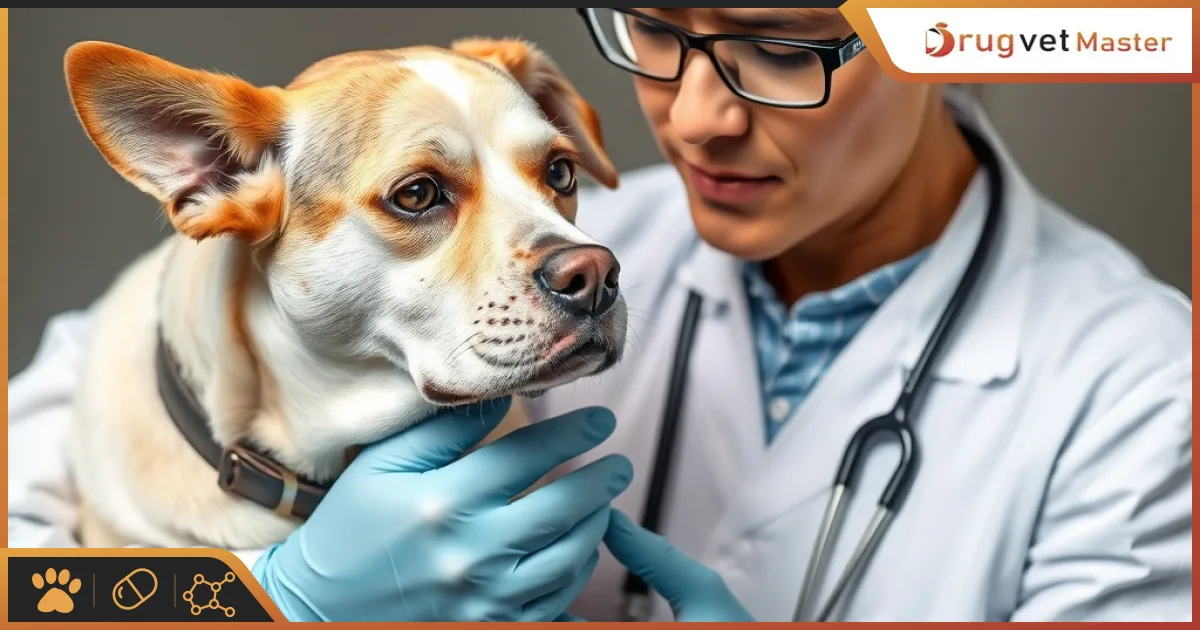
Gentamicin is used to treat a wide range of bacterial infections in animals, including those of the respiratory, urinary, and central nervous systems.
It is also employed to treat eye and skin infections, particularly when other topical treatments fail. The medication is typically given as an injectable solution.
- Respiratory infections in dogs.
- Eye infections in cats.
- Wound and ulcer infections in cattle.
- Meningitis in birds.
Gentamicin is sometimes part of a multi‑drug regimen for complex infections. The veterinarian will determine the appropriate dose based on the animal’s condition.
Gentamicin is effective at eliminating resistant bacteria, making it a valuable tool against severe infections. Unsupervised use can lead to health complications.
Injection for dogs: method and precautions
Gentamicin is typically given to dogs via intravenous or subcutaneous injection. The solution must be prepared according to the veterinarian’s instructions.
Subcutaneous injection is suitable for smaller doses, while intravenous injection is preferred for larger doses or acute cases.
- Prepare the solution according to the specified dose.
- Inject into a rapid vein or subcutaneously.
- Monitor the animal after injection.
Avoid giving gentamicin to dogs with a known allergy to aminoglycosides. It is also advisable to avoid it in dogs taking diuretics.
Adhering to the veterinarian’s dosage is vital to reduce the risk of side effects such as kidney damage or hearing loss. Regular monitoring during treatment is essential.
Dosage: why it’s calculated by weight and under veterinary supervision?
The gentamicin dose is calculated based on the animal’s weight to achieve an effective concentration without exceeding toxic limits. Weight determines the amount of drug the animal needs.
Medical supervision ensures precise dosing, taking into account factors such as age, health status, and kidney function, thereby reducing the risk of toxicity.
- Dose is expressed in mg per kg of body weight.
- Adjustments are made based on kidney function.
- Drug levels in blood may be monitored if necessary.
Calculating dose by weight is a reliable way to ensure drug efficacy. It also allows the veterinarian to adjust the dose if any side effects appear.
Consulting with a veterinarian helps determine the optimal treatment duration, avoiding overuse that could lead to complications.
Potential kidney and hearing damage
Gentamicin is known to cause kidney damage when used at high doses or for extended periods. This effect is referred to as nephrotoxicity.
It can also cause hearing loss or hearing impairment in animals, especially when given at high doses or for long durations.
- Kidney damage at high doses.
- Hearing loss with prolonged use.
- Rapid effects on kidney function.
Monitoring kidney and hearing function during treatment is important. Regular tests should be performed to assess any changes in these functions.
If symptoms such as breathing difficulty, changes in urine color, or hearing loss appear, the medication should be stopped immediately and a veterinarian consulted.
Who should not receive gentamicin?
Gentamicin should not be given to animals with an allergy to aminoglycosides. It is also contraindicated in animals taking diuretics.
It is forbidden for pregnant or lactating females, as it may cause health problems for the fetus or offspring. It is also avoided in animals with chronic kidney disease.
- Allergy to any component.
- Animals taking diuretics.
- Pregnant or lactating animals.
Always consult a veterinarian before administering any dose, especially if the animal has chronic diseases or is on other medications.
Ensuring no drug interactions helps avoid potential complications. It is always recommended to return to a veterinarian if any doubts arise.
For more information on pet care, visit Pets.
In conclusion, veterinary gentamicin is an effective tool for treating bacterial infections, but it must be used cautiously and under veterinary supervision. Adhering to recommended doses and monitoring kidney and hearing function will ensure the animal’s safety and reduce the risk of side effects. Do not hesitate to consult a veterinarian before starting any treatment to achieve the best results.