In the world of pet care, cat vitamins are a vital tool for boosting overall health and preventing disease. These supplements help fill nutritional gaps that a daily diet may not cover, support immunity, improve skin and coat health, and contribute to healthy growth in kittens. With growing interest in feline health in 2026, choosing the right type based on age and health status is increasingly important. This article covers the most important types, how to select the appropriate product, and the risks of overdosing, focusing on the best cat vitamins.
Do Cats Need Vitamins?

As obligate carnivores, cats rely on animal protein sources to meet their nutritional needs. However, a complete diet may not provide all essential nutrients, especially in environments that depend on limited commercial food. Therefore, adding cat vitamins can sometimes improve overall health.
Vitamins play a crucial role in enhancing bodily functions such as supporting the immune system, improving skin and coat health, and boosting energy. If you notice signs of vitamin deficiency in your cat—such as hair loss or weakened immunity—it may be helpful to consult a veterinarian.
- Vitamin A: essential for vision and skin health.
- Vitamin D: aids calcium absorption and bone health.
- Vitamin E: an antioxidant that protects cells.
- Vitamin B complex: supports energy and nervous system functions.
- Vitamin K: contributes to blood clotting.
It is important to choose high‑quality supplements specifically formulated for cats to avoid any interference with diet or other medications.
Always consult a veterinarian before starting any supplements to determine the actual need and appropriate dosage.
Key Vitamins and Minerals for Cats
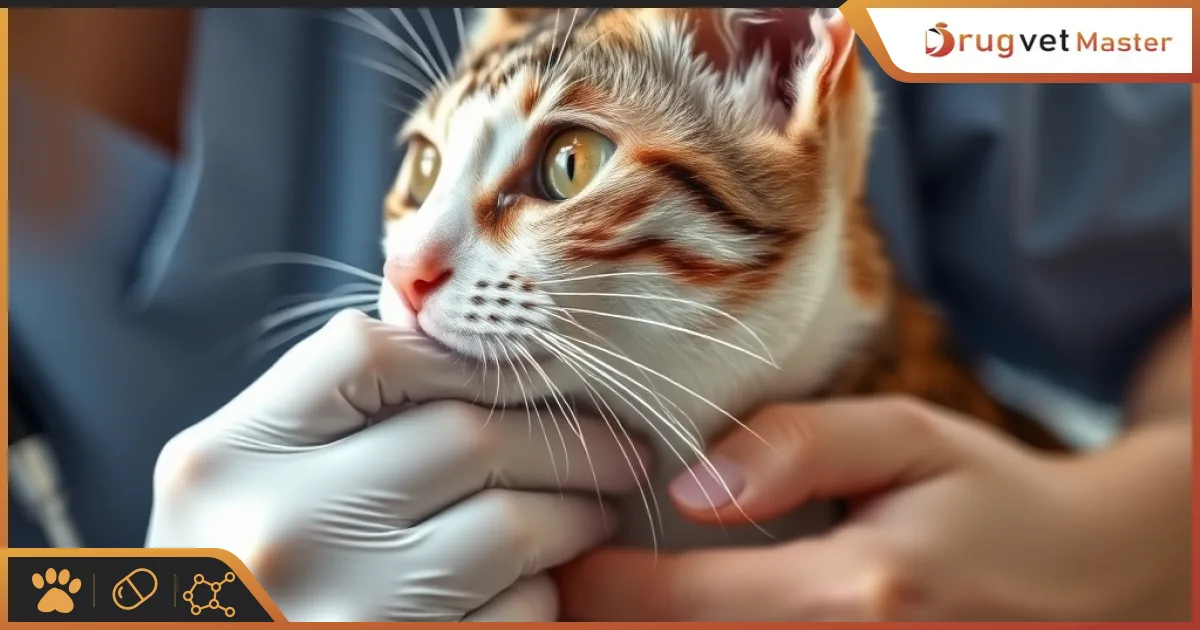
Vitamins and minerals form the foundation of feline health, each contributing to specific functions. For example, vitamin A plays a vital role in vision and skin, while vitamin D supports bone development.
Minerals such as calcium, phosphorus, zinc, and magnesium are essential for strengthening bones, supporting the immune system, and improving muscle function. Deficiencies in any of these can lead to serious health problems.
- Calcium: builds strong bones.
- Phosphorus: contributes to cellular energy.
- Zinc: supports immunity and skin.
- Magnesium: aids muscle function.
- Iron: facilitates oxygen transport.
Supplements should be balanced, avoiding high doses that could cause health issues.
Consulting a veterinarian helps determine whether additional supplements are needed based on clinical exams and laboratory tests.
Vitamins for Immunity and Coat
Immunity is a key aspect affecting feline health, especially in environments exposed to germs and viruses. Vitamins such as A, D, E, and B complex enhance the body’s ability to fight disease.
Additionally, these vitamins improve skin and coat health, reducing hair loss and increasing shine. A cat with balanced nutrition shows greater activity and vitality.
- Vitamin A: maintains skin health.
- Vitamin E: protects cells from oxidation.
- Vitamin B12: supports cell growth.
- Vitamin D: contributes to bone health.
- Vitamin K: supports blood clotting.
When choosing immunity supplements, it is preferable to select products that contain a comprehensive blend of vitamins and minerals.
Checking the product’s formulation and compatibility with your cat’s needs helps achieve the best results.
Vitamins for Kittens and Pregnant Cats
Kittens need vitamins that support rapid growth, especially during nursing and early development. Vitamins such as A, D, B, and B complex help build strong bones and develop the nervous system.
Pregnant cats also require special supplements to ensure the health of both mother and kittens. Vitamin D, calcium, and multivitamins are essential for fetal development and preventing pregnancy complications.
- Vitamin A: supports vision and skin.
- Vitamin D: contributes to bone building.
- Vitamin B12: supports cell growth.
- Iron: facilitates oxygen transport.
- Calcium: builds strong bones.
Ensure you consult a veterinarian before giving any supplements to kittens or pregnant cats to determine the appropriate dosage.
Regular follow‑up with a vet helps adjust doses and avoid potential health issues.
Risks of Overdose
Overdosing on vitamins can be harmful to cats, especially with vitamins A, D, and E, which can accumulate in the body and cause toxicity.
Toxicity may present with symptoms such as nausea, vomiting, loss of appetite, or even liver and kidney problems. Therefore, it is essential to follow recommended doses and avoid giving unapproved supplements.
- Vitamin A: high doses can lead to poisoning.
- Vitamin D: excess can cause hypercalcemia.
- Vitamin E: large amounts may affect the liver.
- Vitamin B12: high doses may disrupt the nervous system.
- Vitamin K: high doses may affect blood clotting.
If you suspect poisoning, seek veterinary care immediately for assessment.
Adhering to recommended doses and avoiding non‑specialized supplements ensures your cat’s safety.
How to Choose the Right Product?
Choosing cat vitamins requires considering several factors, including age, health status, and product type. The product should be specifically designed for cats, not humans.
Trusted brands often offer products with balanced formulations and medical reviews, ensuring safety and quality.
- Verify quality certificates and laboratory tests.
- Review product ingredients and their compatibility with your cat’s needs.
- Check the expiration date and store the product properly.
- Consult a veterinarian before purchasing.
- Choose between de‑mineralized or mineral‑enriched supplements.
Careful reading of packaging and labels helps understand the product’s formulation and determine if it is suitable for your cat.
Purchase from reliable sources, such as الحيوانات الأليفة, to avoid counterfeit or unreliable products.
Choosing the right product ensures enhanced health for your cat and avoids any health risks.
In conclusion, providing the appropriate cat vitamins enhances overall health and reduces disease risk. Always consult a veterinarian before starting any supplements, and monitor your cat regularly to ensure its safety and well‑being.
